Forty stories by 33 writers, one to a page, every one exactly a hundred words. A mermaid, a troll handed a roast beef sandwich, and an all-night gas station at the edge of the galaxy.
Prolific Press has published poets and storytellers since 2009: a juried chapbook series, full-length collections, and four literary journals you can read free online or hold in print. This is the reader’s door. What is new, what is coming, what is worth a second look, and where to get it.
Chapbooks from $8.95 · Journal issues from $16.95 · Hand-bound chapbooks · Ships from Johnstown, Pennsylvania
The most recent titles to reach the shelf, newest first. Journal issues collect what was first published free online; chapbooks arrive here the day they are released.
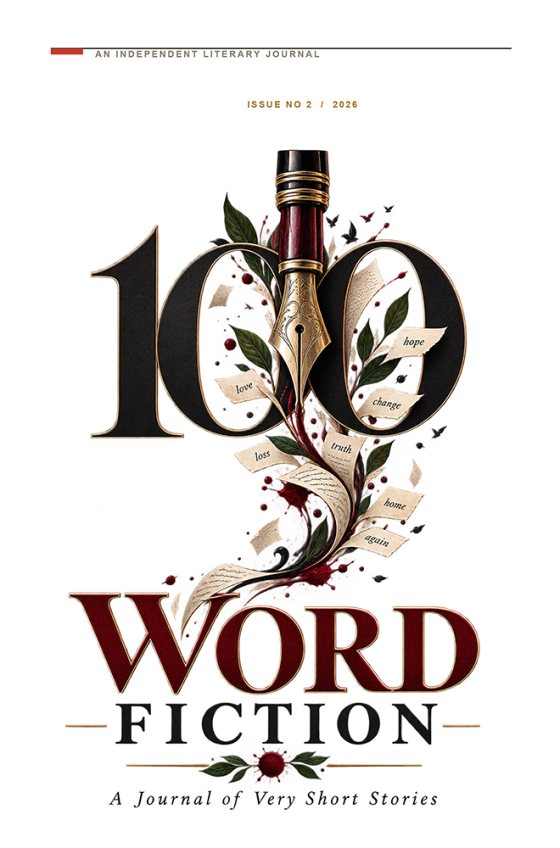
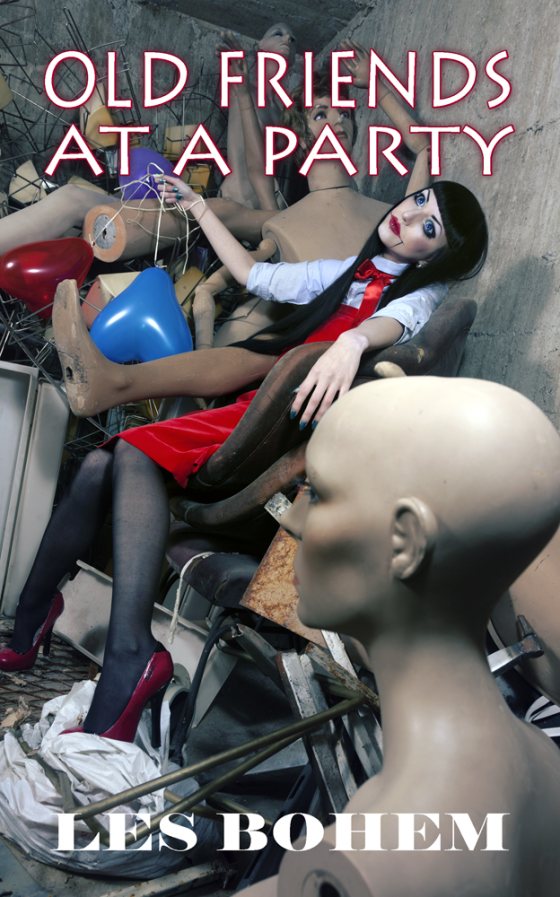
Forty stories by 33 writers, one to a page, every one exactly a hundred words. A mermaid, a troll handed a roast beef sandwich, and an all-night gas station at the edge of the galaxy.
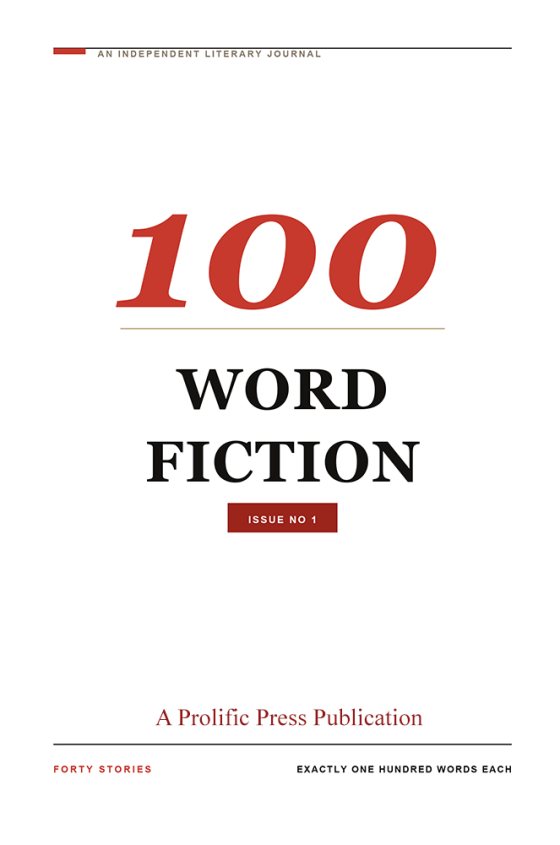
The journal’s debut anthology: forty stories by 34 writers from its first open reading period. Forty-eight pages, one story per page.
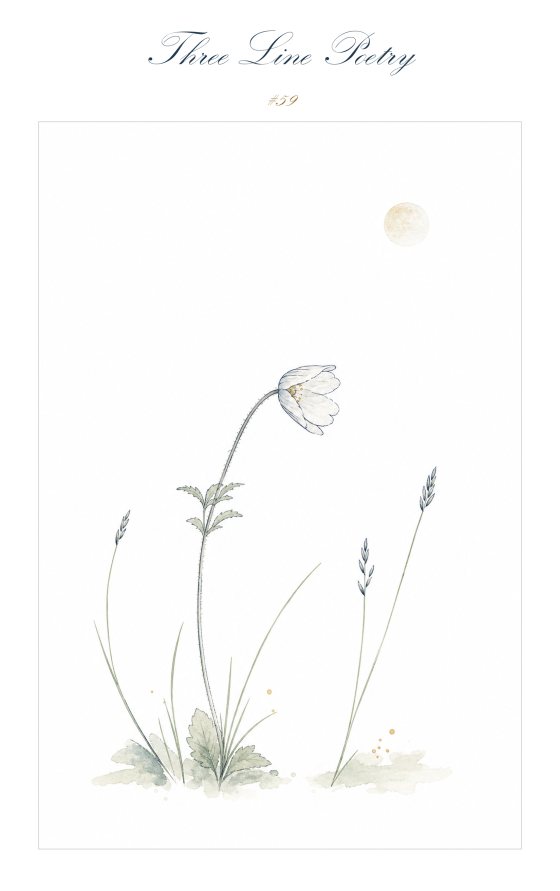
Fifty poems of exactly three lines: haiku, senryu, tercets, and the occasional sly aphorism, in print.
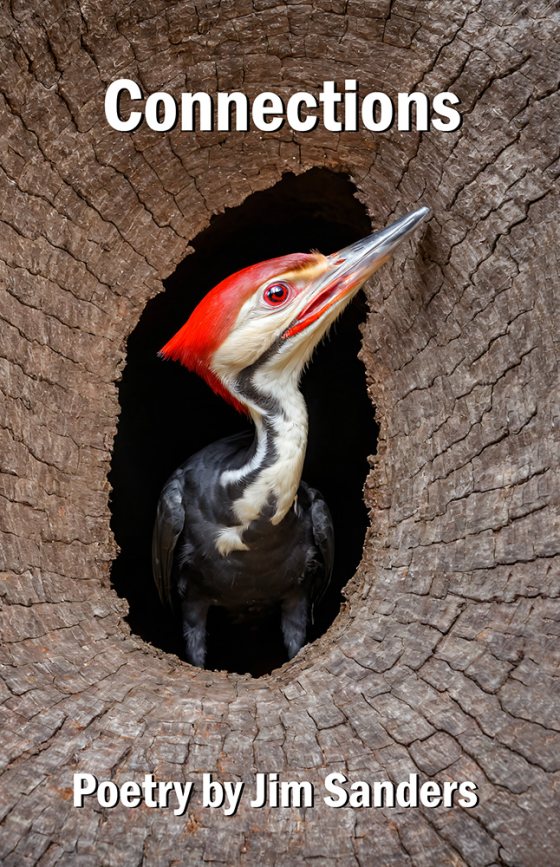
James Sanders finds the extraordinary in the ordinary: an apple in morning light, a black Camaro, the hush of a winter street. A retired Africa analyst who came back to the trumpet, and to poems.
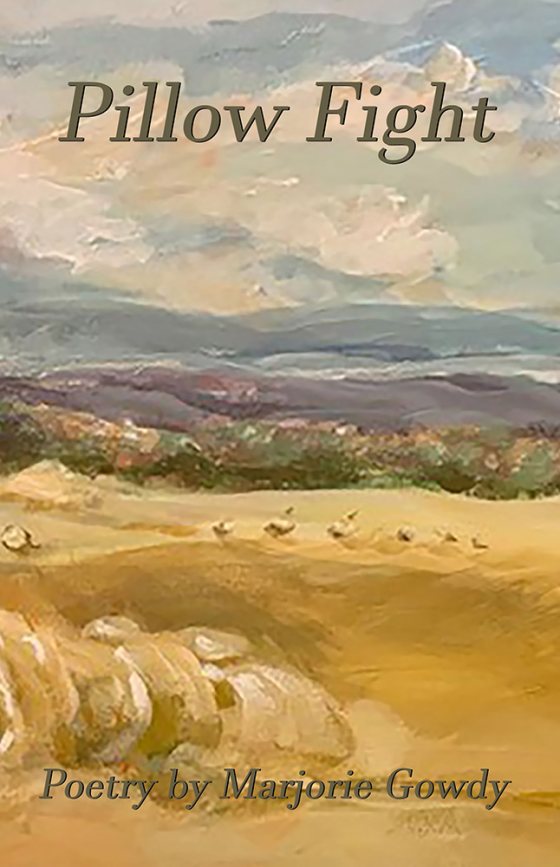
Marjorie Gowdy walks her Blue Ridge farm looking for forgiveness and contentment, and finds the bears, birds, and bobcats working on the same problem.
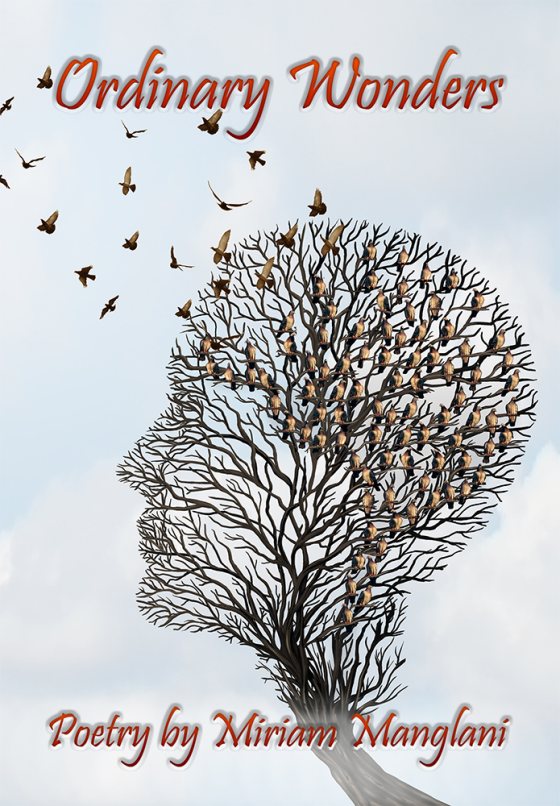
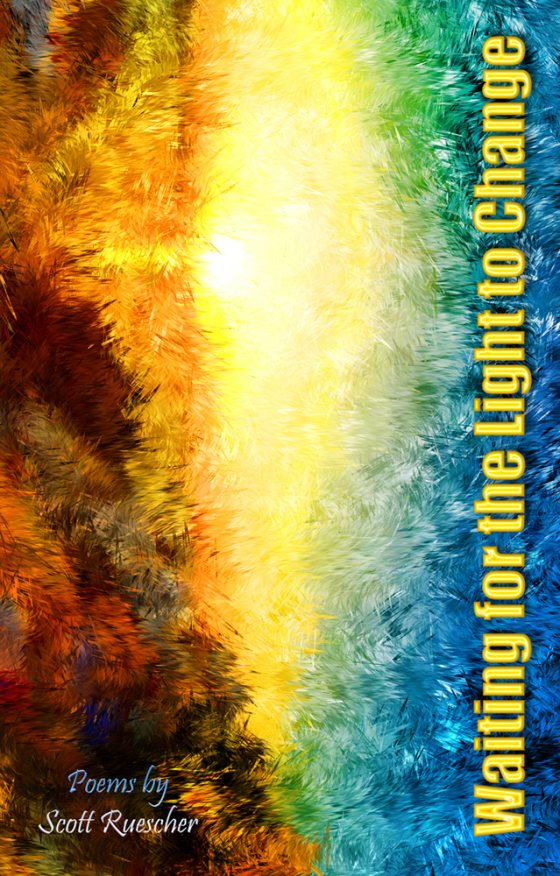
A retired philosophy professor writes through anicca, the Buddhist truth that everything changes, chasing the sudden flash of illumination in an impermanent world.
Lyrical poems of nature and family that find the sacred in the mundane, and end up belonging to the poet in all of us.
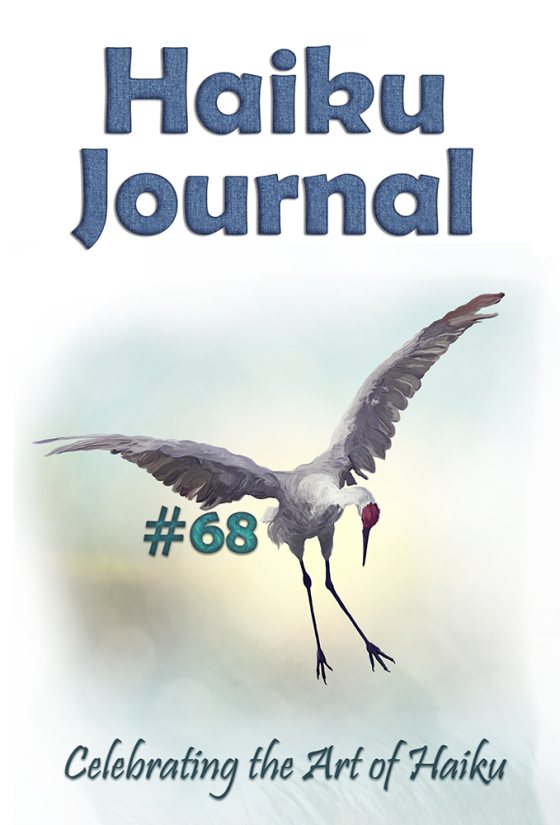
Fifty haiku in the traditional form, from the journal that has published haiku free online since 2008.
These manuscripts were chosen from the series’ open reading and are now moving through production: editing, cover design, an ISBN, proofs, and print. Each will appear in the bookstore the day it is released. Covers and final titles are settled with the poet along the way.
Updated September 1, 2026 · in production first, then accepted and awaiting the poet’s materialsA fierce, funny meditation on menopause, mourning, and the body rewilded by change, from a Pushcart-nominated Welsh writer now on the American East Coast.
A New Yorker in exile in Tennessee, with a first career in book publishing behind him, speaks for a generation that has done a long, slow job of wising up.
An Episcopal priest and the author of Lyrics from the Central Plateau (Prolific Press, 2018) returns to the series.
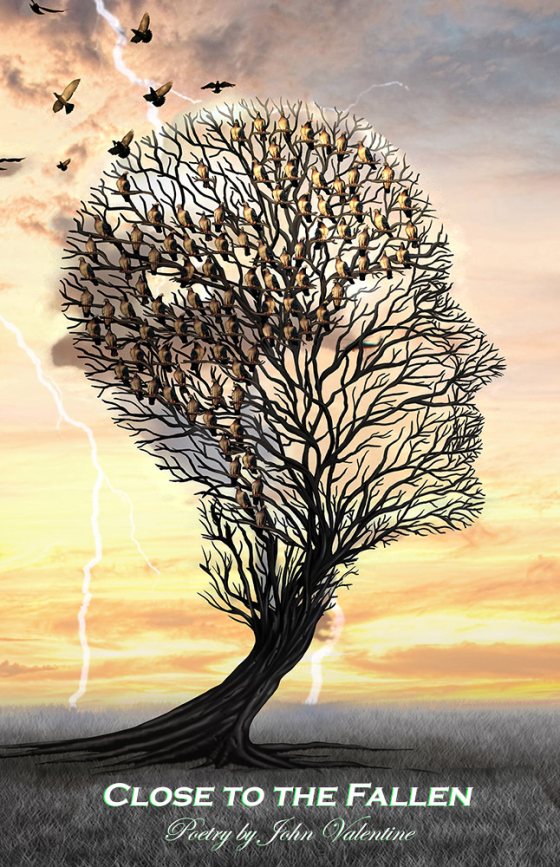
The Savannah philosopher-poet of Close to the Fallen, back with a second chapbook. His poems have appeared in The Sewanee Review and Five Points.
A Utah poet of music and memoir, published across our journals, and winner of the 2021 National Poetry Month Competition in Salt Lake City.
A Chicago-area poet and playwright, published in more than sixty journals and nominated for the Pushcart Prize, who cycles and sculls when he is not writing.
From the author of Hues of Darkness, Hues of Light, a retired professor of English at Hawaii Pacific University with three earlier chapbooks now out of print.
A Central Valley poet whose work has appeared in California Quarterly, Talking River Review, and Adelaide Literary Magazine.
Two Pushcart nominations and two Kelsay Books collections behind him, Dan Fitzgerald writes quietly from Pontiac, Illinois, tending home and garden.
A biochemist by training who paints with words, writing from a cottage near Lake Michigan with a Yorkshire terrier and a cockatiel for company.
Poems from the author of the novel October Daffodil, some of them in a second voice, Mally Wrinn, for the poems told from a woman’s side.
From the poet whose “Rain in Pampanga” took the 2020 Rebecca Lard Award, Poetry Quarterly’s grand prize.

Four journals, each with its own form and its own readers, all free online. Issues fill up one accepted piece at a time, so there is usually something new since your last visit. The print editions land in the bookstore when an issue closes.
Every issue from the first to #47 is online, with the complete archive open to subscribers for $20 a year. The print editions are made to be kept on a shelf, not scrolled past.
Poetry Quarterly is also home to the Rebecca Lard Award, a $500 prize for a single poem, named for the first poet in Indiana and open to poets everywhere.
Pulled from chapbooks in the series. Each one opens the book it came from.
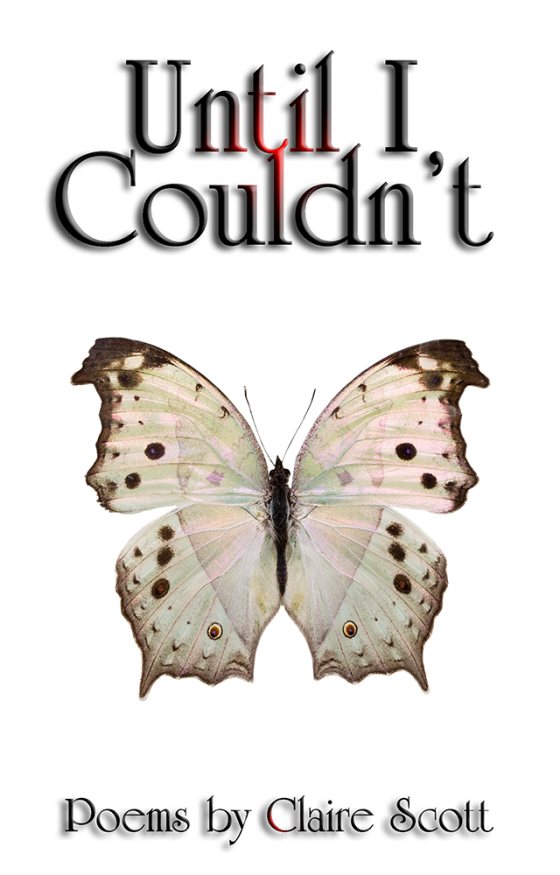
Sixty-odd chapbooks is a lot to browse cold. These twelve are good places to start: a working-class elegy, a bus ride through the heartland, a rock bassist’s second act, a father’s prayers to a newborn.
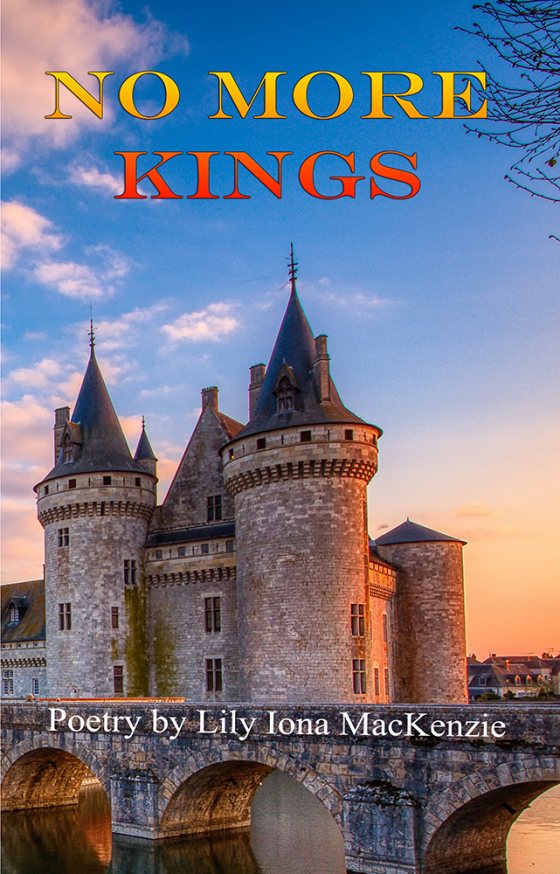
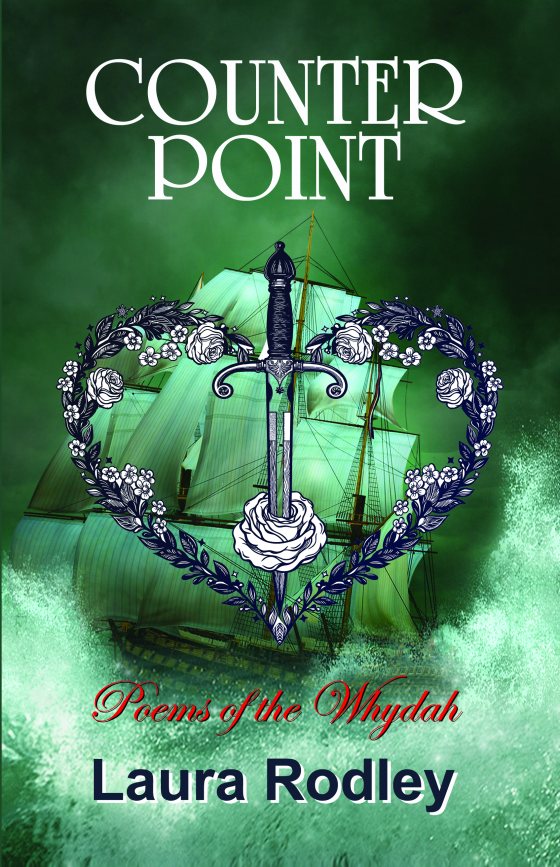
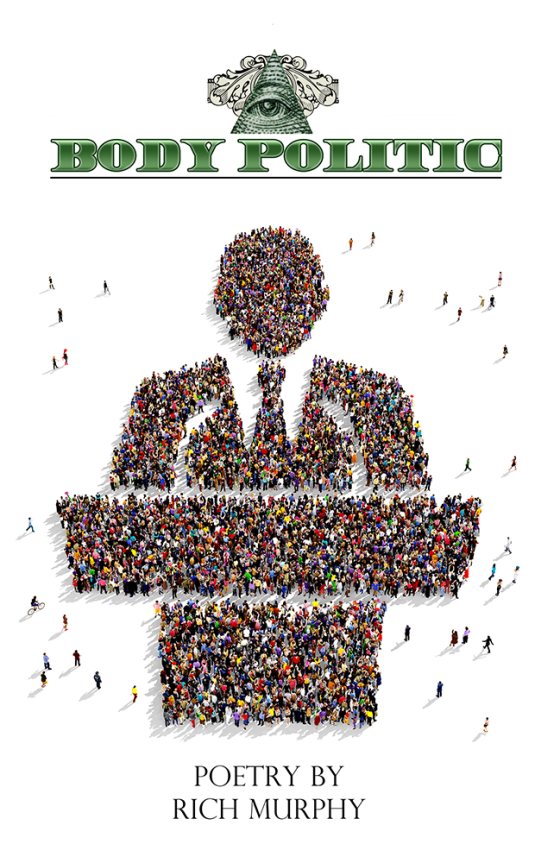
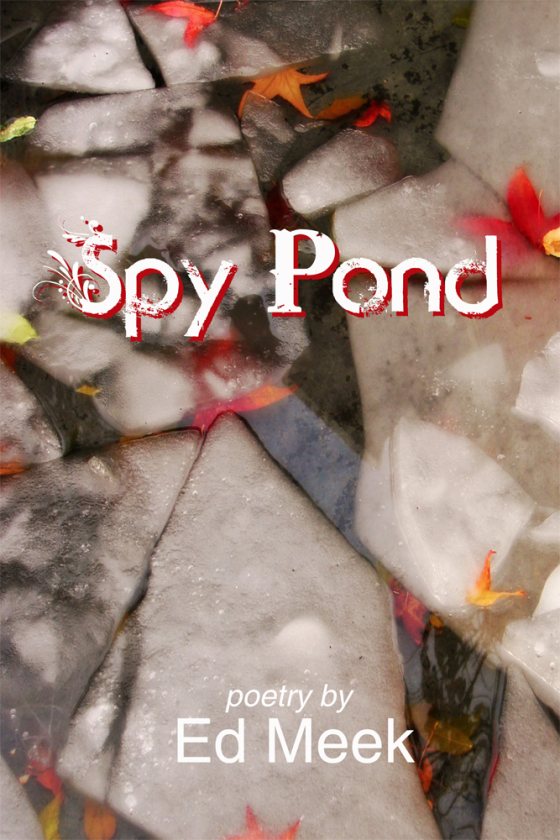
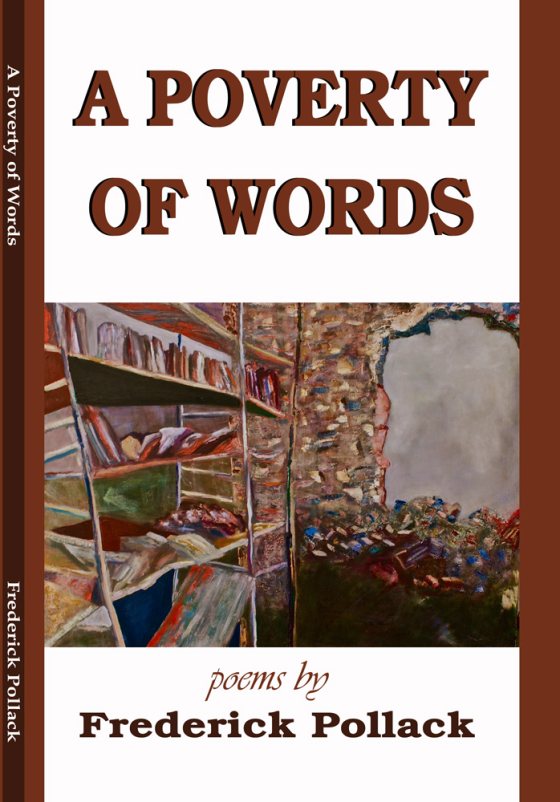
A swan song for the American dream, written for the working poor of flyover country: time clocks, pawn shops, and one emergency away from the street.
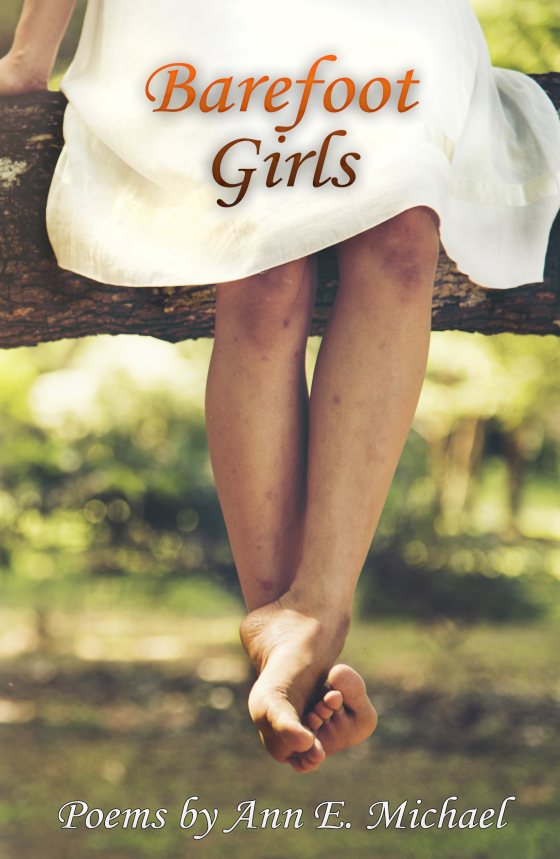
Narrative persona poems set against Springsteen’s first three albums, told from a girl’s side of the South Jersey shore.
Poems written through a husband’s cancer diagnosis, kept private until the poet realized they needed readers.
One 2016 bus ride from Kansas City to Minneapolis, and the hijabs, geles, white bonnets, and braided crowns aboard, seen by an “old white lady” by her own description.
Short poems about things Les saw, wished he had seen, or is very sorry he saw, from the bassist of Sparks turned screenwriter of A Nightmare on Elm Street 5.
The Evel Knievel lunchbox in the basement, and why the junk your family says to toss is actually a talisman.
From a woman in feudal times feeling the earth turn under her feet to a woman today feeling the same thing: growing up, told in epiphanies.
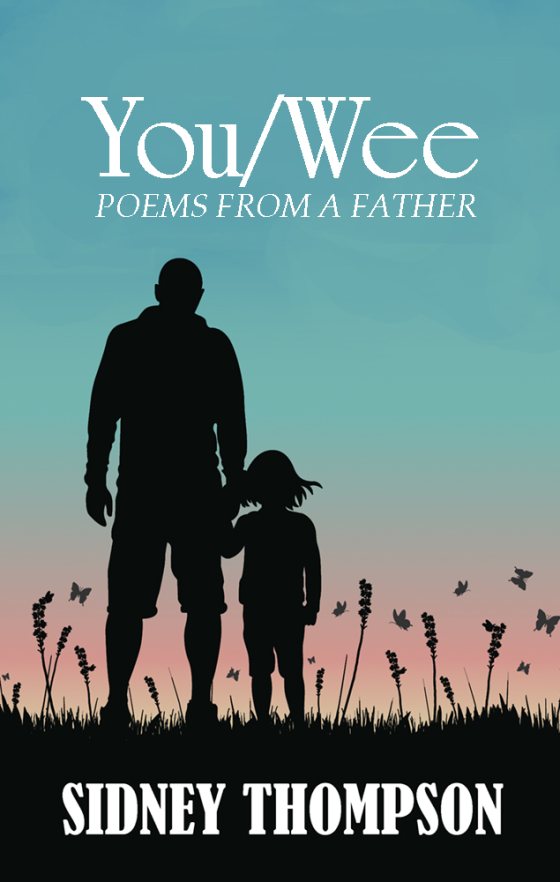
Eighteen poems addressed, prayer-like, to a first-born daughter. The fatherhood companion to the poetry of motherhood.
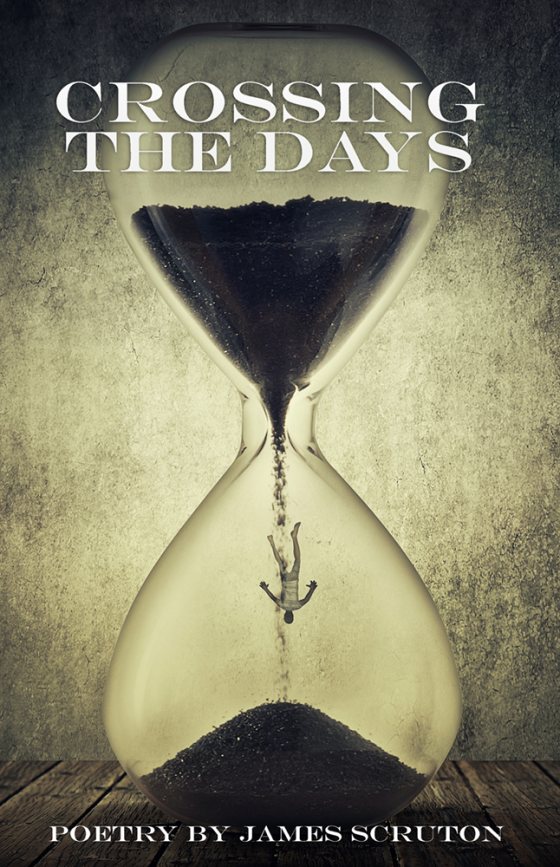
On time and its strange hold on our language, from a child learning the clock’s “slow semaphore” to a long-distance love note over “our song.”
A longing to belong, from a childhood of swinging fists and boxed ears to a world of bumbling gods. Moving, exact, and unsparing.
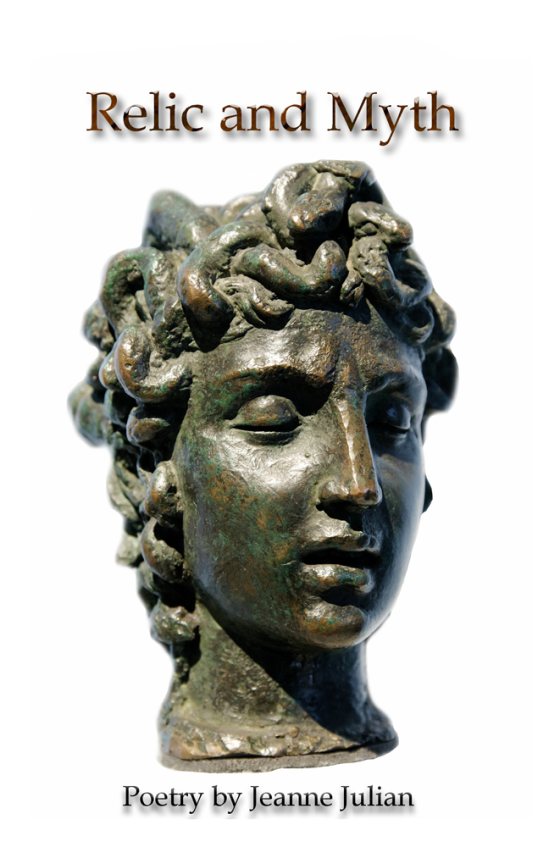
Narratives that travel from a pueblo to the capital to a Southern quilt show, asking how meaning, and maybe religion, gets made from a coin or a daffodil bulb.
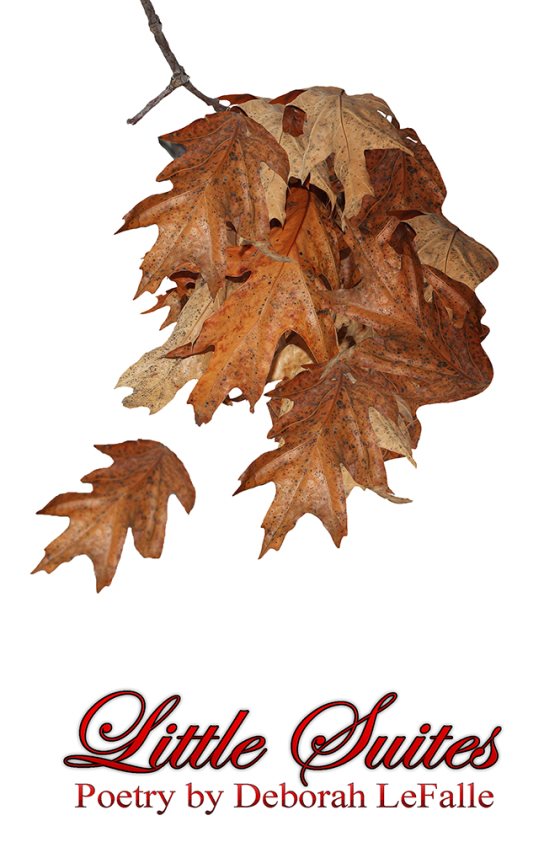
A childhood in poetic suites, tender and trying by turns, from a Northern California poet who started writing in her sixties.
Beyond the chapbooks, the press publishes book-length collections under the Prolific Books imprint. 17 titles, $14.95 to $18.95.
A chapbook is a short book, usually twenty to forty pages, built around one idea, one voice, or one season of a poet’s life. It is an evening’s read that rewards a second evening. The form is old, cheap to make and cheap to buy, and it has always been where poetry takes its chances.
Every chapbook in the International Chapbook Series is chosen from an open reading period. The press pays for the editing, the cover design, the ISBN, and the printing; the poet pays nothing to be published. That is the traditional arrangement, and we have kept to it since the series began. Selection is the whole point. A book gets in because an editor could not put it down.
Our journals work the same way in miniature. Each issue fills one accepted piece at a time, in public, on the journal’s own site. When an issue closes, we print it. The paperback is the same issue you read online, on paper you can lend to a friend.
Full-length collections come through Prolific Books, and everything the press has ever printed stays in the bookstore, including the back issues of journals that have since closed to submissions.
Ten chapbooks from the series, chosen by the press. The cheapest way to find the poets you will want to follow.
The bookstore keeps everything in print, including the journals that have closed. Pick a shelf.
Chapbook Series
64 chapbooks Juried poetry chapbooks, $8.95 to $10 each.
Prolific Books
17 books Full-length collections from the press.
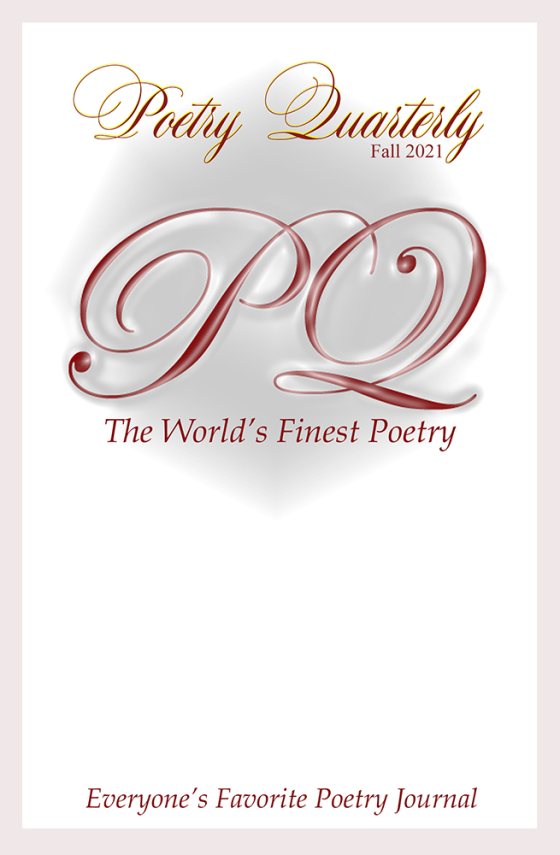
Poetry Quarterly
46 issues The print quarterly, 2009 onward.
Haiku Journal
68 issues Fifty haiku an issue since 2008.
Three Line Poetry
58 issues Poems of exactly three lines.
100 Word Fiction
2 issues Very short stories, forty to an issue.
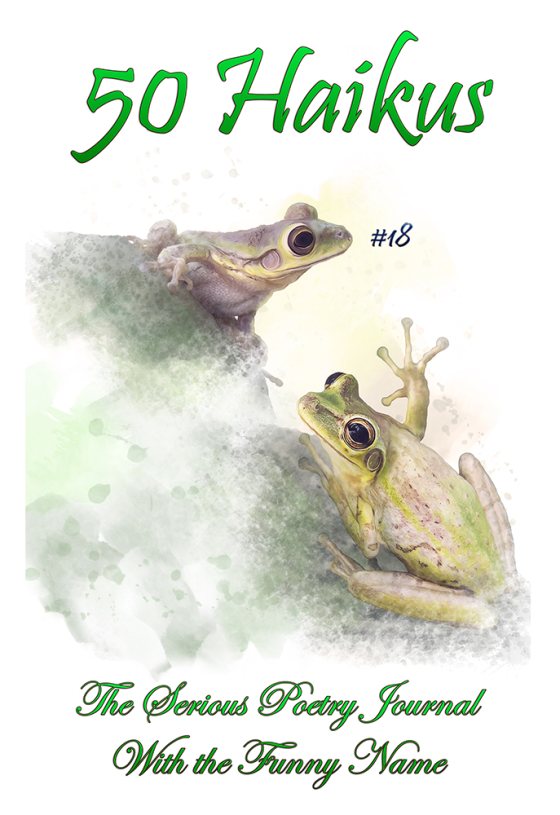
50 Haikus
20 issues Fifty haiku, one slim volume.
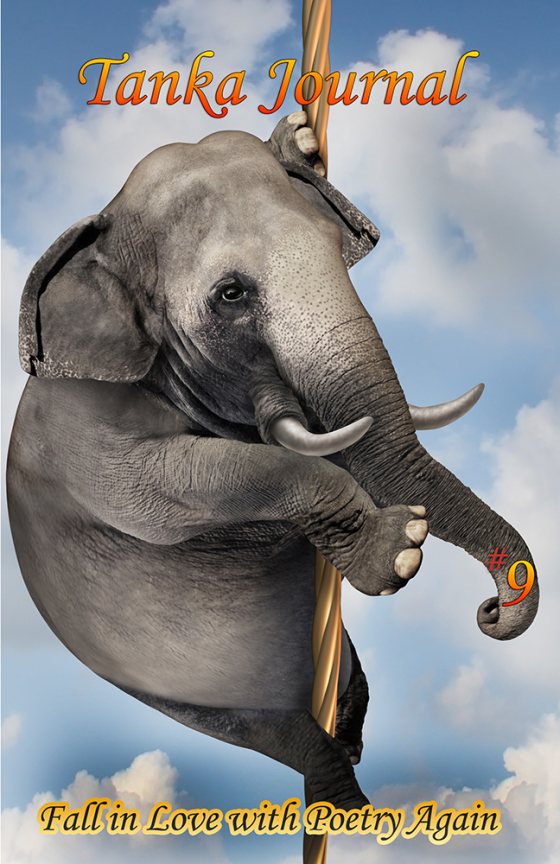
Tanka Journal
9 issues The five-line Japanese form.
Inwood Indiana
14 issues Small-town, rural America in verse and story.
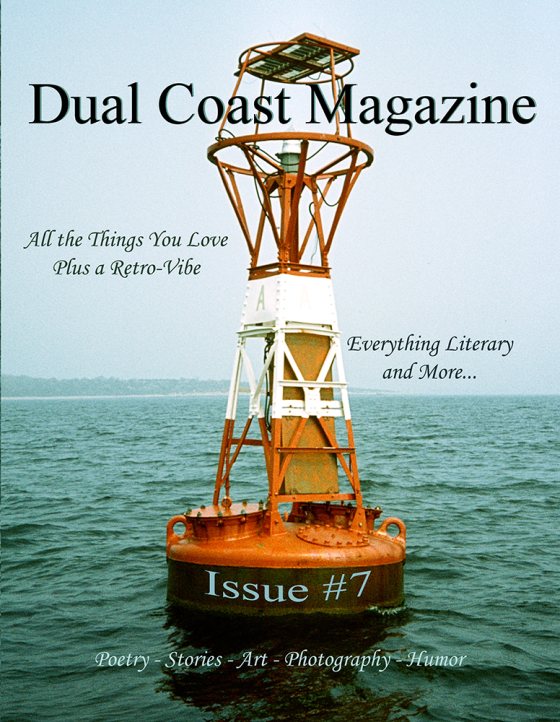
Dual Coast Magazine
7 issues Poetry, fiction, nonfiction, photography.
Jitter Press
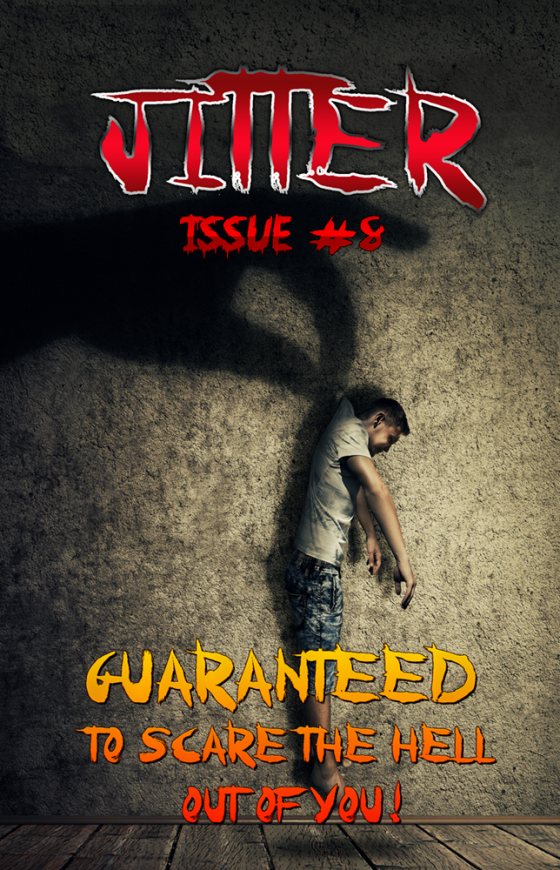
8 issues Dark verse and horror fiction.
This week’s stories and poems are free at the journals. If one of them stays with you, the paperback is waiting in the bookstore, and the next chapbooks are already on the way.